Asia
Motivation for a varied life in teaching
(1385 Words)
What motivates a teacher to start in the profession? For sure many reasons make someone begin a career in teaching. Is it pay or job security or is it a fall back option? This being said, initial motivation does not mean that years later the same can be said. The fact of the matter is the evolution of the new teacher into a mature tutor. This is then the professional person who has recognized the true meaning of teaching. This person recognizes their role in helping to shape young minds and impart moral values through education. Teaching has to be a vocation. In part an autobiographical story highlighting aspects of Asian teaching and also analysis, there are many aspects that any teacher has to realize to fulfill true potential.
Certainly, ongoing professional development highlights certain challenges in teaching that a teacher has to face up to. A focal point has to be the realization that students do not really know how to learn. How can any teacher, great as they may think they are, not realize that the students are naive about how to get the most benefit from a lesson? Any teacher has to look at the students’ own learning traits in light of today’s imperative that they both foster lifelong learners in their classrooms as well as become lifelong learners themselves. It’s the teacher’s inspiration that plays a huge part in a student’s education although every student and the class as a whole have to progress to help the teacher get the most out of them.
Different countries have varying approaches to learning and teaching. How does a foreign teacher survive in another country’s learning environment? Any foreign teacher working abroad has to adapt and work within the culture. It can be hard to change teaching methods to what has been ingrained from school through to university. Motivation to rise above some of another country’s inequalities as you see them is paramount. In some of these cultures, students tend to be passive and may be reluctant to participate in communicative exercises. A change in the style of teaching to suit these learners’ needs is essential because completely following an Asian model would be alien to any foreign teacher; a balance has to be met. A new foreign teacher would think it is strange to see no encouragement given to the students to think independently while just following the examples of the teacher, who is held in high esteem. Progression as a teacher means drawing attention to many facets of teaching. Inspiration has to come from somewhere. Breaking the barriers that slow students’ learning and build foundations that provoke students’ development has got to be a motivator.
Of course, any teacher would not automatically change their style of teaching. The question is: should they focus more on themselves as a teacher or the students? Which one deserves more thought? It must be believed that deeper thinking about the children’s role in learning is paramount. It’s just when you see children who have so much energy, who are not lazy per se, using their energy into ignoring the learning process. This does not mean every one of them is mentally challenged; it is the direction they are taking. For example, a fifteen-year-old student kept saying the word ‘brio’. What it meant in his language or English language was not clear, but he would say things like ‘do you brio?’ and ‘I am brio’. This was actually when ‘present tense’ was being taught. The co-teacher thought this student was being disruptive and after class, she had a word with the teacher about it. She went on to mention that he was a hyperactive kid who had problems at home and she was sorry. Basically, that was the end of the story. Many factors come into one’s learning and potential, but there was a child who had energy. He was contributing in his own way. It was the way the teacher dealt with this child’s attitude that had the major factor in his learning. The teacher was glad to have this student taking part. He felt it was a bit negative just to put him down as having problems and forget about it. It was felt the teacher just had to channel that liveliness and educate him to use it properly. To put in bluntly teachers need to see what role the students actually play in the classroom. Similarly, Beth Buchler, educational consultant and director of New-Learning Educational Services wrote that you need a ‘student who is responsible, who takes charge, and who self-regulates in the context of today’s changing learning environment’. A teacher does not change these children overnight and many will take time. Every student has potential. The issue for the teacher is how to overcome their learned behaviors they have in class that is being detrimental to them.
So, why are they not performing? One other factor could be a boring teacher. How can any teacher help a student change their learning style if the students (or even the teacher) do not have any interest or enthusiasm? Referring to Alexandra Frean’s piece written in the Times newspaper about ‘boring teachers blamed for rowdy classes’. It seems obvious that students will show their bad side when they are bored, but according to Ofsted, at that time, this was a problem in English schools. The report drew an angry response from the National Union of Teachers which was understandable but it happens. An example of a disruptive class comes from watching an Asian teacher conduct a lesson. The students were naughty, but why were they naughty? Was it because they were disobedient or because the lessons were not so interesting? The teacher was shouting at the noisy students at the start of the lesson. They were quiet once the teacher started shouting, but after that, they were back talking again. The teacher asked them to look at the questions in their book and find the answers in the reading. It seemed a very easy lesson plan. Were the children interested? Maybe, they were not interested. All they needed to do is fill in the blanks which were being done by a couple of people, namely by the best students. The others were just waiting for the answers happily relaxed talking to each other. This teacher was not making the class interesting, no wonder the students were back talking. After exiting the classroom for five minutes then entering an ‘okay let’s check the answers’ loud voice, the teacher went through the answers. The teacher started speaking in their native language then asking for one English word answer at a time. The English teacher’s speech was mixed with their native language. The answers were now being given anyway so the ones who did not bother can just fill in their book. What was the teacher’s purpose in this class? Where was the motivation to learn? If you had filled in the answers you would have finished. It must be said that “Yes, you have finished but isn’t the purpose of learning a foreign language for using it in a context that is valuable for the future. The weaker students are just copying the answers while laughing about something not involved in the subject at hand. This new information they should have learned will stay in their minds for a short time”. Basically, it is hard for a native English teacher to see this whole episode and not feel sorry for everyone involved because everyone walks and carries on regardless.
The irony of all this is that the more the students become independent learners; a process “in which individuals take the initiative, with or without the help of others” (M. Knowles), the teacher’s job will hopefully become more manageable. Motivation and interest will take over idle chat and disruption. Teachers can then confidently feel that they are succeeding and be motivated to take their teaching to another level. This will be not only with themselves but also with the other students. Hopefully, the pride the teacher feel from making these students ready for the world outside school and their future will show them the true meaning of teaching and encourage them for many years. Hopefully, this piece of writing has tried to open teachers to this fact.
References
Bernard-Powers, J., Darling-Hammond, L., Der Ramos, A., Kass, M., LaBoskey, V., & Markowitz, M., et al. (2000). Principles of high quality teacher development. San Jose, CA: The Teacher Quality Collaborative. Retrieved January 23, 2002, from http://www.jointventure.org/initiatives/21st/tqc/principles.html
Boring teachers blamed for rowdy classes
By Alexandra Frean, Education Editor
http://www.timesonline.co.uk/tol/news/uk/article624308.ece
Critical Issue: Terms of Engagement—Rethinking Teachers’ Independent Learning Traits – Beth Buchler, M.A., educational consultant and director of New-Learning Educational Services
http://www.ncrel.org/sdrs/areas/issues/educatrs/profdevl/pd400.htm
Malcolm knowles, informal adult education, self-direction and andragogy
http://www.infed.org/thinkers/et-knowl.htm
Supporting and Facilitating Self-Directed Learning
http://www.ntlf.com/html/lib/bib/89dig.htm
.
Shame and Guilt Culture
(1266 Words)

For this essay, the aspect of culture that will be talked about is the notion of shame and guilt. In many countries, each culture and the people within it adopt a way of dealing with wrong behavior. The emphasis here is on how an individual person reacts to an action done by them which is seen as not being right in their society. The essay will show with examples how shame and guilt work in daily life. It will focus on types of behavior, attitudes, and beliefs that are installed in culture. It is actually written specifically for individuals to think about their behavior and to think if their wrong actions belong to a guilt culture or shame culture. It is also written for each person to think more about their behavior when they commit something wrong and how they should behave.
Shame and guilt sometimes are considered to be similar feelings while within different cultures and countries they become separate entities when you can look closer at people’s behavior. For example, if a person was driving along the road and they saw a red light, they should stop, but in this case they continued through that light even though they had time to stop. How would they feel? In a shame culture, the person would (not in every case) look around to see if anyone saw them. If no-one saw them and nothing happened, they would be unperturbed and drive away thus not really having a feeling of doing anything wrong. In a guilt culture, if the same action happened, the driver would still look around, but they would feel remorse that they did something wrong thus producing a feeling of guilt. The feeling of guilt then becomes an inner feeling. It is as if they know they did wrong, and they are punishing themselves for it because they know what is right. The feeling of shame in this case, there is none, because in this situation no external force (such as police) saw the driver go through the traffic lights. There is no feeling for that person because the police did not catch them, speak to them and give them a ticket/fine.
Shame comes about when someone is found out to have done something wrong and other members of society know. It is the feeling of letting down others. Japanese culture is a shame culture where if humiliation is felt, it can lead to extremes such as suicide where the person feels they have let their whole family down. The person has brought shame on the family. So, shame exists when a person’s peers, colleagues, or their family find out about that person’s misdeeds. In many ways in a shame culture, a person can do what they like, they should just not get caught. For example, a student can copy in an exam or hand in work that is copied from the internet. If they are not caught they can blissfully carry on with their studies disregarding the fact that they cheated to pass the class or exam. There is no guilt and because no one found out they feel no shame. Moreover, a strange part of this misdemeanor is that if another student mentioned their copying and complained, that student is doing wrong because they are complaining. All the same, it is actually hard for someone in a shame culture to say they did wrong because they know they will bring shame on themselves.
So, a shame culture is more on being honorable or saving face than being right or wrong. The feeling of shame actually brings on powerlessness, so in many cases there becomes an intensity to defend oneself because the accuser is making the accused feel bad. Thus, in a shame culture, there is seen a relative calm among people that no-one will stand up and protest or complain to someone face. They live in a collectivist society where you live in a group and being individual is not counted as much. It is seen that groups must always project positive images and keep up appearances, show calmness, and adhere to public politeness.
Guilt, on the other hand, is ingrained in people. In their culture, they are told that they have done something wrong and that they should feel bad for what they have done. Children are taught from a young age between right and wrong. Guilt culture has its roots in religion where truth and justice prevail. It is meant to preserve the self to know what is right and wrong and not to commit sin. If you do something wrong the transgression is between the individual and God. In shame culture, a person would not indulge in self-analysis as it may end up in a detrimental image of the self. In many cases, the guilty person will use their guilt to change something about themselves. On the whole, guilt is a form of social conscience. So, each person is aware of their surroundings and what they are doing. For example, students who feel no guilt will talk in class while not being aware that when they talk they disrupt others and stop the teacher from teaching. All the same, they will happily talk on a telephone (loudly in some cases) in a lift or on a bus. Feeling guilty helps with a person’s awareness and stops them from committing a social faux pas.
An example where shame and guilt culture can have all its attributes and deficits belongs in a story of a Chinese airline flight. The flight was to take off at 7 pm from Hong Kong to Bangkok. The flight was almost full. The pilot said they were waiting for a connecting flight from Beijing that would transfer some passengers. The pilot said the flight would be delayed. So, the passengers, who were already on the plane, had to wait for one hour for the connecting flight. The small contingent of passengers from Beijing then boarded and the flight finally left at 8.30pm. Once the flight took off, the late passengers then started shouting, laughing, taking pictures, and generally not caring about others around them. They were actually government officials. The questions for this scenario regarding shame and guilt refer to many people involved in this situation. Firstly, how would you feel if you were a passenger waiting? Also, do the government officials feel any guilt about being late? Are they not aware of others? Did the pilot not admit to the problem entirely to avoid shame from passengers getting angry? Did the pilot feel no guilt or shame? Why did the pilot stay on the ground even though the flight was mostly full? These questions and the scenario are interesting as guilt and shame could, maybe, or should have been felt by some of the people.
In this short essay, both of the cultures, shame and guilt can be seen from different angles. It can be recognised that in a shame culture no one really wants to say anything out of line even if it is true. Also, a guilt culture can prevent someone from getting on with daily life as the guilt hinders them. In a shame culture, there is a relative calmness as no one complains. With this calmness, people are less likely to get stressed out by silly things but in the guilt culture people want to show something is wrong and feel justified in saying it. To conclude, if one used Japan and America as examples of shame and guilt cultures respectively would anyone honestly say either country’s progression has been held back by their view on bad behavior as both have their positive and negative sides?
.
Reflective Essay – A Critical Incident
A “prudent understanding of variable situations with a view to what is to be done” (McCarthy, 1984, p.2) encapsulates that moment when a teacher is met with new experiences that need resolving. Teachers are met with acts that define their personalities. While working in Asia, I was faced with one such dilemma as two students had complained to my manager that I was rude to them. All I was mentioning after class (in a respectful way and in the least words possible) on the first day of a new term that they had entered the class late, ignored me, and sat down to subsequently talk with their friends. Asian culture may ignore this nonchalant kind of attitude, although I felt the need to deal with it. What is called a ‘technical rationality’ (Schon, 1983), namely my reaction, I hoped, was a means to an end by telling them in not so many words that I would like them to respect the learning students, process and the teacher teaching. In this given situation, and given they were both adults, who was right as we both had views? For this essay, I would like to like to draw on Gibbs’ (1988) six step process of reflection to examine this classroom experience.
Firstly is the ‘description’ (Gibbs, 1988) of what happened? This can be said to be the ‘critical incident’ (Flanagon, 1954) which emphasizes a direct observation of human behavior to examine the point of myself, the teacher, keeping two students behind after class to talk about their behavior towards the learning process. This is also the ‘concrete example’ (Peters, 1984) which shows that we have to step back and test ourselves. Then, the next test is my ‘feelings’ (Gibbs, 1988) towards the students’ attitude of nonchalantly arriving late and traipsing past me. I felt a bit of frustration as the class had been disturbed, myself disrespected as a teacher while not forgetting being unsupported by my manager who told me to apologize to them.
Moreover, to ‘evaluate’ (Gibbs, 1988), the third stage of Gibbs’ model, which highlights the good and bad, is first to say that I chose a quiet moment to explain myself; this being after class. The bad would be the students’ reaction to a situation they felt was not to be worried so much about which in Asian culture made them lose face. So, to make sense of the situation and thus ‘analyze’ (Gibbs, 1988) it, I was left feeling that I was in the wrong. My manager was now telling me to apologize and forget about it, although he was driven by the Asian culture and business ethics of the customer is always right and do not say anything bad.
Furthermore, the “conclusion” (Gibbs, 1988) is to highlight and reflect on what more I could have done, seeing as I had to apologize (or risk losing my job). Culture was an issue, but also I think attitudes to lateness of another teacher to which they had had the previous term was an issue. The sixth stage, my ‘action plan’ (Gibbs, 1988) is now to see if the situation arose again what I would do. Of course, there are reasons for being late, and also for reactions to negative things said about someone. Culturally, maybe I was too abrupt and too serious. Finally, laughter and a smile work in the Asian culture while also getting the students’ personal feelings as to the right behavior instead of pushing my personally held beliefs is also a factor; hopefully, we all become wiser.
(Words 591)
References
Peter Scales, 2008. Teaching in the Lifelong Learning Sector. 1 Edition. Open University Press.
Geoff Petty, 2009. Teaching Today: A Practical Guide. 4 Edition. Nelson Thornes.
Yvonne Hillier, 2005. Reflective Teaching in Further and Adult Education. 2 Edition. Continuum.
Andrew Armitage, 2011. Developing Professional Practice, 14-19. Edition. Longman/Pearson.
Foreign Market Analysis
Lenovo Tablet: Thailand Market Assessment
23 December 2011
- I. Product
The Lenovo IdeaPad represents an emerging category of portable personal computing that was attracting considerable consumer and business interest in 2011. Its tablet format provides a lightweight, wireless alternative to the conventional laptop, combining portability with access to many of the functions associated with personal computers. The larger IdeaPad configuration discussed in the original report measures approximately 10.4 by 7.4 by 0.5 inches and weighs approximately 1.65 pounds.
Lenovo IdeaPad Tablet PC
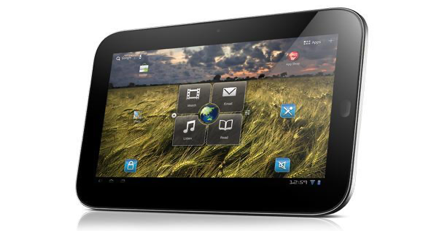
The tablet market was developing rapidly in 2011, with manufacturers introducing new models at increasingly competitive prices. In September 2011, Lenovo announced the IdeaPad A1, a seven-inch Android tablet priced at approximately US$199. The A1 weighs approximately 400 grams (0.88 pounds) and is less than half an inch thick. Its features include a high-definition display, dual cameras, Bluetooth and Wi-Fi connectivity, with 3G capability identified as an important emerging feature in the Thai market. The combination of lower price, portability and connectivity positioned the A1 within the growing market for affordable tablets.
Lenovo’s Thai strategy addressed both consumer and corporate markets. The ThinkPad Tablet was positioned toward business users, while the IdeaPad range was intended to appeal more broadly to consumers. The report identifies Thailand’s consumer segment as larger than the corporate segment, suggesting opportunities in both markets.
A further opportunity arose from cooperation with Thai software companies, system integrators and service providers. Lenovo intended to support applications for sectors including retail, telecommunications, airlines and banking. The development of locally relevant applications could increase the usefulness of the devices and help extend their commercial life cycle. The report also notes the planned expansion of Lenovo’s presence in Thailand and the availability of more than 1,000 applications through the Lenovo App Store at the time of the study.
In Thailand, Lenovo has launched its tablet computers on the corporate and consumer markets. The aim of Lenovo is to capture the corporate market, where embracing of these new tablets is expected to be big in 2012. The job for Lenovo in Thailand is to bring forth the brand name to make consumers aware of its product and build a reputation that makes consumers believe in the product. While the thinking of the typical user is on the corporate side of the business in Thailand, Lenovo has still covered both markets by having the Lenovo’s ThinkPad tablet for corporate users, while its IdeaPad tablet aims to attract consumers. Thailand has the attraction of an abundance of vendors that will promote the consumer segment. In actual fact, the consumer segment in Thailand is bigger than the corporate side, so there is room for both markets. The immerging market in Thailand, allows Thai software companies to work with Lenovo to enhance the product life cycle. Furthermore with Lenovo, although the standardized tablet will be sold, it will work with system integrators in Thailand and service providers to customize the devices and develop applications to support commercial users, such as retail, telecom, airline and banking solutions. With more Lenovo stores coming to Thailand, there will also be the offer more than 1,000 applications at the Lenovo App Store that have been certified as being fit for Lenovo‘s tablet devices.
- II. Geographic Description of the Market
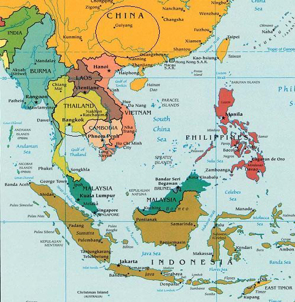
Thailand was identified as an attractive market because of its geographical position within Asia and its close trading relationship with China. Lenovo’s Chinese origins were considered relevant to the market opportunity because of the relatively short geographical distance between the two countries and their increasingly important commercial relationship.
Thailand also occupied a significant position within the wider Southeast Asian market. For Lenovo, the country offered an opportunity to build market share while strengthening its presence in a region experiencing rapid growth in demand for consumer technology.
Figure 1. Geographic relationship between China and Thailand.
Lenovo already maintained major research facilities in the Asian region, including centres in Yamato, Japan, and Beijing, Shanghai and Shenzhen in China. During the third quarter of 2011, Lenovo reported strong growth and a global market share of approximately 10.2 percent. The original report also cites a Lenovo market share of approximately 32.2 percent in China and estimates that Lenovo’s share of the Thai computer market had increased from approximately 6 percent to 10 percent in 2011.
The Thai tablet market was, however, relatively new. Lenovo had introduced tablet products to both corporate and consumer segments, and the company’s ability to establish brand recognition and differentiate itself from established competitors remained important to its future performance.
- III. Demand Estimation
Lenovo entered the tablet market at a point when demand for mobile computing devices was expanding rapidly. Its Thai offering included the Android-powered IdeaPad K1 and ThinkPad Tablet. The ten-inch IdeaPad K1 supported Flash content, included more than 50 pre-installed applications and offered Lenovo’s cloud-storage service.
Lenovo’s product positioning was differentiated by target market. The IdeaPad K1 was aimed at consumers seeking mobile connectivity, while the ThinkPad Tablet was directed towards business professionals. In addition to applications available through Android Market, Lenovo users could access the Lenovo App Shop, which provided applications tested for Lenovo’s tablet products. At the time of the report, more than 200 Lenovo-exclusive applications were identified.
Lenovo’s positioning therefore combined hardware, software and service provision rather than relying solely on device specifications. This approach was intended to create a more complete user experience and to distinguish Lenovo’s products within a rapidly expanding market.
The Wi-Fi version of the IdeaPad K1 was priced at 16,900 baht including VAT, placing it in direct competition with Apple’s iPad. The report cites an estimated five-year compound annual growth rate of 54 percent for tablets in the Asia-Pacific region excluding Japan, with shipments projected to increase from approximately two million units in 2010 to 21 million units.
Demand was expected to come from activities such as gaming, web browsing and social networking. Education was identified as an additional source of demand. In particular, the Thai government’s announcement of a programme to distribute approximately 800,000 Android tablets to primary-school pupils represented a potentially significant source of additional market demand. The report notes that this initiative had not been incorporated into the cited market-growth forecast, indicating that the forecast may have understated the potential size of the market if the programme were implemented as proposed.
Taken together, these factors suggested that the Thai tablet market had several identifiable sources of potential demand: individual consumers, business users and the education sector. However, the market remained highly competitive, making price, brand recognition, distribution and application support important determinants of adoption.
- IV. Competition
Competition in Thailand’s tablet market was already substantial in 2011. Apple and Samsung were identified in the original report as the two principal competitors, through the iPad and Galaxy Tab respectively. Motorola and BlackBerry were also entering or expanding within the Thai tablet market.
The competitive environment was influenced not only by hardware specifications and price, but also by operating systems and application ecosystems. The principal platforms identified in the report were Apple’s operating system, Android and Windows. Apple’s system was exclusive to Apple hardware, whereas Android and Windows were available across products from multiple manufacturers. Lenovo’s decision to use Android gave its tablets access to a large application ecosystem as well as applications developed specifically for Lenovo devices.
The price comparison presented in the original report places the IdeaPad K1 at 16,900 baht including VAT. The accompanying comparison tables on page 4 show contemporary Thai-market prices for the iPad 2, Samsung Galaxy Tab 8.9 and BlackBerry PlayBook across different storage capacities. These figures indicate that Lenovo was attempting to compete within the established price range rather than positioning the K1 solely as a premium product.
The pricing strategy was therefore closely connected to Lenovo’s broader objective of increasing brand awareness while offering consumers a lower-cost alternative within a market dominated by well-established technology brands.
Price comparison with major tablet competitors in Thailand, 2011.
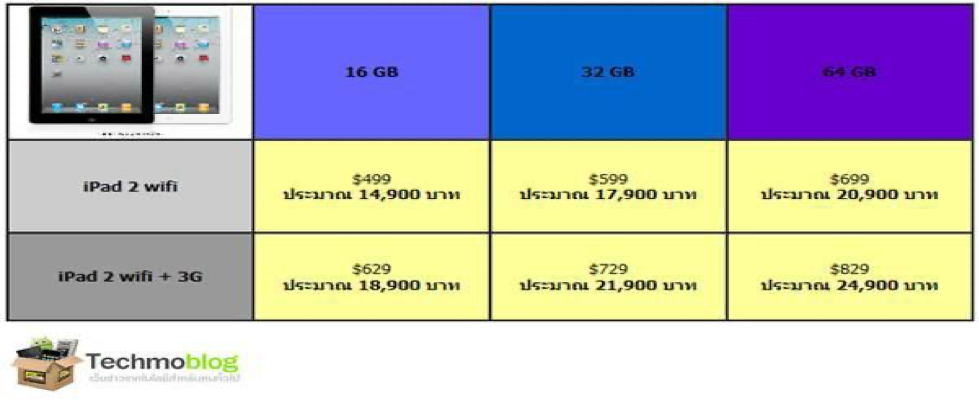
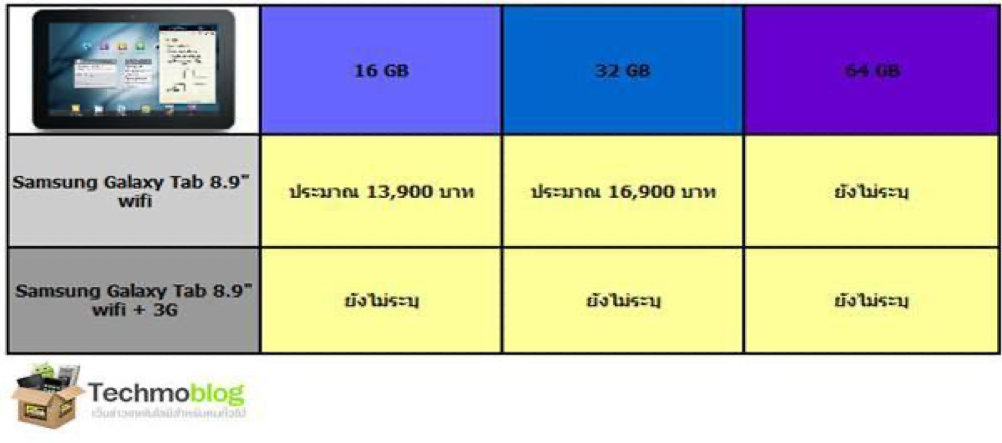
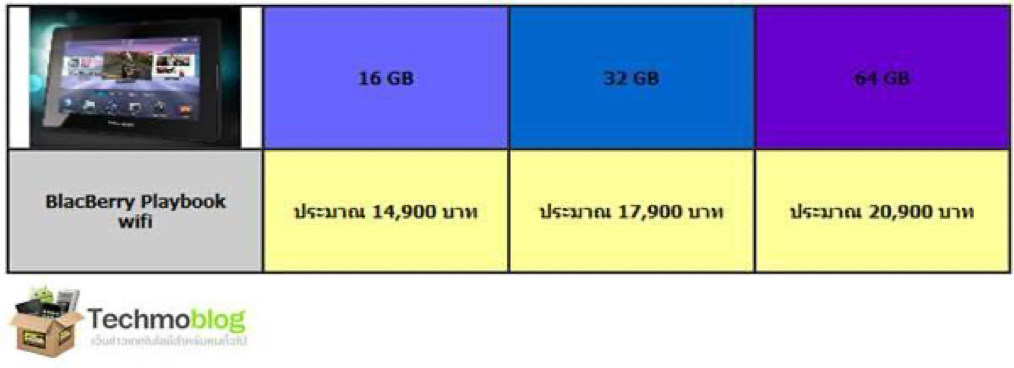
Based on the prices presented in the report, the IdeaPad K1 was positioned competitively against the principal tablet products identified in the Thai market. Price alone, however, would not determine market performance; Lenovo would also need to establish brand credibility, distribution, application support and customer awareness.
- V. Legal Environment
The ASEAN–China Free Trade Area (ACFTA), which came into effect for the relevant parties from 2010, was identified as an important factor in China–Thailand trade. The original report states that the agreement removed tariffs from a large proportion of consumer goods traded between China and the participating ASEAN countries, including tablet computers. This was considered favourable to the movement of Lenovo products from China into Thailand.
The report also states that tablet computers were not subject to Chinese export taxes. Taken together with the trade arrangements described above, this was considered to create a relatively favourable environment for importing Lenovo tablets from China into Thailand.
Intellectual-property protection was also relevant. The report notes the presence of counterfeit tablet products and the registration of important design features by established manufacturers. Lenovo would therefore need to ensure that its products, packaging and software complied with Thai intellectual-property requirements and did not infringe protected rights. The original report alleges uneven enforcement of anti-counterfeiting measures; this should be treated as an observation in the source material rather than as a generalised conclusion about government policy.
The standard rate of Thai value-added tax identified in the report was 7 percent, with VAT incorporated into retail prices. This was an important consideration for pricing and communication with retailers and consumers. The report found no additional special tax on tablets imported from China, which it regarded as another factor supporting the attractiveness of the Thai market.
From a market-entry perspective, the legal environment therefore appeared relatively favourable, although intellectual-property compliance, customs procedures and accurate treatment of VAT remained important operational requirements.
- VI. Monetary Environment and Financial Considerations
The global financial crisis was continuing to influence economic conditions in 2011, while Thailand was also dealing with the substantial economic disruption caused by nationwide flooding. The floods represented a significant short-term risk to infrastructure, supply chains and business continuity. For a company importing technology products, disruption to transport infrastructure could affect delivery schedules, inventory availability and costs.
The report also highlights the longer-term need to consider Thailand’s exposure to natural disasters and infrastructure constraints when assessing operational risk.
The report refers to the 1997 Asian financial crisis and the decision to float the baht as an important historical warning about currency and financial instability. For an importer operating across China and Thailand, exchange-rate movements could affect the cost of goods, margins and the value of capital transferred between the two markets.
According to the Bank of Thailand information cited in the original report, foreign currency could be transferred into or brought into Thailand subject to the applicable regulations, and residents and non-residents could maintain foreign-currency accounts under specified conditions. Such arrangements could provide businesses with additional flexibility in managing cross-border transactions and foreign-exchange exposure.
The report also discusses China’s exchange-rate policy and its implications for exporters. It argues that China’s currency policy supported the competitiveness of Chinese exports by limiting upward pressure on the renminbi. For Lenovo, which sourced products from China, this environment could help contain import costs in Thailand.
By 2011, China and Thailand had developed increasingly significant trading links. The report identifies China as a major trading partner of Thailand and notes continued growth in bilateral trade. These relationships supported the broader case for China-to-Thailand sourcing, while exchange-rate and macroeconomic risks remained relevant to financial planning.
VII. Cultural Environment
- Cultural Environment
An understanding of the Thai cultural environment was considered important to successful market entry. The original report describes Thai culture as having been influenced by several historical traditions, particularly those associated with Buddhism, Brahmanism and neighbouring Asian cultures. It identifies language, artistic and traditional cultural practices as important dimensions of Thai society.
For Lenovo, cultural understanding was relevant not only to advertising but also to relationships with distributors, business partners, employees and consumers. Marketing communications needed to be appropriate to local expectations and respectful of Thai cultural and religious values.
Language and communication
Thai is the principal language of Thailand and has developed through historical interaction with languages including Mon, Khmer, Pali, Sanskrit, Malay, Chinese and English. The report’s discussion of language highlights the importance of recognising the country’s distinctive linguistic and cultural context when communicating with Thai consumers.
Arts, religion and social traditions
The report also identifies architecture, literature, drama, music and religious traditions as important components of Thai cultural life. Buddhism is presented as having a particularly significant influence on social and ceremonial practices.
Family and traditional values
Traditional social relationships, including respect for parents, elders, teachers and monks, are highlighted in the report. Buddhist temples and religious practices are also described as important elements of community life and public ceremony. These considerations suggest that Lenovo’s communications should be locally sensitive and should avoid imagery or language that could be perceived as disrespectful to religion, national identity or established social values.
- VIII. Political and Economic Risks
Chinese Customs statistics cited in the report indicate that bilateral China–Thailand trade reached approximately US$52.95 billion in 2010, representing an increase of 38.6 percent. The report records Chinese exports to Thailand at approximately US$19.75 billion and imports from Thailand at approximately US$33.2 billion. The principal traded products included electrical machinery, computers and components, steel, machinery, chemicals and household goods, while Thailand supplied products including computers and components, rubber, crude oil, chemicals and agricultural products.
These figures illustrate the growing commercial relationship between the two countries and the relevance of China–Thailand trade to Lenovo’s proposed market strategy.
A. Political and investment risks
Thailand’s strategic location and transport infrastructure were identified as advantages for international business. At the same time, the report identifies political instability as a potential source of uncertainty. Changes in the political environment could influence investor confidence, administrative processes and the timing of approvals for major projects.
For Lenovo, the principal implication was the need to monitor political developments and avoid assuming that market conditions would remain unchanged throughout the investment period.
The report further identifies competition for investment in Thailand as a significant challenge. Companies from Japan, the United States, the European Union, South Korea, Singapore, Taiwan and Hong Kong were already active in the market. This meant that Chinese companies could face competition from businesses with established market relationships, financial resources and international experience.
These conditions reinforce the importance of detailed market research, reliable local partnerships and a realistic assessment of the competitive environment before committing significant resources.
B. Risk-mitigation measures
The report recommends undertaking comprehensive research into Thailand’s market conditions, legal framework, social environment and trading practices before entering the market. Particular attention should be given to consumer demand, the reliability of trading partners and the commercial conditions affecting the product category.
A second recommendation is the use of a localisation strategy. Local management and employees can provide knowledge of consumer expectations, business practices and regulatory conditions. The report argues that localisation can improve a company’s ability to respond to market changes, manage operations effectively and build competitiveness in the host country.
Finally, the report emphasises careful selection of local partners. Distributors, intermediaries and service providers should be assessed for their reputation, financial strength, market knowledge and ability to support Lenovo’s objectives. Establishing reliable local relationships would reduce operational risk and improve the company’s understanding of the Thai market.
IX. Transportation and Logistics
For a China-to-Thailand supply chain, maritime transport was identified as the principal method of moving tablet computers. The report describes two potential routes. The first involves movement through the Mekong River system from China’s Yunnan province towards Chiang Saen in northern Thailand. The second, and more conventional maritime route, follows the South China Sea and proceeds to ports in Thailand, particularly Laem Chabang and Klong Toei.
For relatively high-value electronic goods, route selection would need to balance cost, transit time, security and reliability.
Transit time
Transit time depended on the shipping route and the number of transhipments. The report gives examples from contemporary shipping services: Wan Hai Lines was reported to take approximately 14 days from Shanghai to Thailand via Hong Kong, while MCC Lines was reported to offer an approximately eight-day direct service from Shanghai to Laem Chabang. These figures are presented as examples from the 2011 logistics environment rather than as fixed transit times.
Transportation cost
Shipping costs were influenced by route length, the number of transhipments and demand for container capacity. The report notes that slower services could be less expensive and that the availability of container space could affect freight costs. These factors would need to be incorporated into Lenovo’s landed-cost calculations.
Cargo security
The security of electronic cargo was another consideration. The report notes that additional care was appropriate when loading and transporting tablet computers and raises concerns about security on the Mekong route following an October 2011 attack on a Chinese cargo vessel. The incident is used in the original report as evidence that route selection should take cargo security into account.
Logistics flexibility
China’s large number of logistics agencies and the international presence of major shipping companies could support the administrative requirements of export and import. The report cites Maersk as an example of a shipping company with logistics operations in multiple countries, illustrating how integrated logistics services could simplify documentation and customs procedures.
- X. Channels of Distribution
The tablet’s portability and connectivity made it relevant to business users and younger consumers interested in mobile technology. Following importation into Thailand, Lenovo could either undertake customs clearance directly or use a specialist clearing agent.
The report identifies major shopping centres and retail chains—including Tesco Lotus, Big C and The Mall—as potential distribution points. Shopping malls were considered particularly relevant because of their importance in Thai consumer retail behaviour. Traditional mass-media channels, including television, newspapers and magazines, were also identified as potential means of supporting distribution and consumer awareness.
- XI. Promotion
Education represented a potentially important promotional and sales channel. The Thai government’s proposed ‘One Tablet per Child’ policy involved a reported budget of approximately 1.2 billion baht and an intention to provide tablets to pupils. The report estimates that the programme could involve approximately 800,000 Android tablets. If implemented as proposed, such a programme could increase awareness of tablet technology and create opportunities for suppliers.
Lenovo was also reported to have planned an investment of approximately 200 million baht in Thailand, including advertising and activities intended to strengthen product visibility.
Lenovo’s ‘Are You Lenovo?’ campaign in Thailand was described as an integrated marketing communications initiative combining public relations, consumer activation, social media and advertising. Activities included public events and flash mobs in Bangkok and other Thai cities between January and April 2011, as well as promotion at shopping malls, information-technology exhibitions and universities.
The campaign was also supported by online activity, including the publication of event material on social-media platforms and YouTube. Television interviews with Lenovo executives were another component of the campaign. Taken together, these activities demonstrate an attempt to build brand familiarity rather than relying solely on product advertising.
Advertising in Thailand was subject to general requirements concerning accuracy and the avoidance of misleading or exaggerated claims, alongside specific cultural and legal sensitivities. The report highlights the importance of respecting the monarchy, national identity and religious traditions, including Buddhism and religious sites.
For Lenovo, promotional material therefore needed to combine the international identity of the brand with careful attention to Thai legal and cultural expectations.
Scope of the analysis. This revised report is intentionally historical. It retains the market conditions, forecasts, prices, policies and risks discussed in the original 2011 project and does not incorporate developments occurring after December 2011. Statements concerning forecasts or proposed government programmes are therefore presented as expectations or proposals existing at that time, rather than as established later outcomes.
References
Discover Asia, Thailand’s World (2011). “Thai Culture.” Asia’s World Publishing Limited. Retrieved 20 December 2011.
Diller, Anthony van Nostrand (2008). The Tai–Kadai Languages.
AsiaRooms (2011). “Culture of Thailand.” Retrieved 20 December 2011.
Thaiways (2011). “Thai Culture.” Retrieved 20 December 2011.
Ecoggins (2011). “Thailand Political and Economic Outlook 2011 and Beyond.” HubPages. Retrieved 20 December 2011.
Marshall, Andrew (Reuters) (2008). “Chaos hits Thailand’s investment image.” Retrieved 20 December 2011.
People’s Daily (2011). Source cited in the original report. Retrieved 15 December 2011.
Bank of Thailand (2011). Monetary Policy Committee minutes, cited in the original report. Retrieved 15 December 2011.
Australian Parliamentary Library (1998). Background material on the 1997 Asian financial crisis, cited in the original report. Retrieved 15 December 2011.
Bank of Thailand (2011). Foreign Exchange Regulations, cited in the original report. Retrieved 15 December 2011.
China Daily (2009). China–Thailand trade material cited in the original report. Retrieved 15 December 2011.
Thailand Business News (2011). China–Thailand trade material cited in the original report. Retrieved 15 December 2011.
15 December 2011 <http://thailand-business-news.com/china/29888-thailand-and-china-trade-raises-
Thailand flood 2011
(448 words)
Thailand is prone to rainy seasons and granted too, there is an expectation Thailand will flood during these rainy seasons. Thailand has also experienced catastrophic floods before, the most recent being in 1995. However, what is not granted is when a newly industrialized country with the second-largest economy in Asia fails to manage a situation it has had so much experience in handling and lets a situation get so far out of control.
This year’s monsoon season was like no other. However, then, why, like in recent years, was the water build-up created from the unusually heavy monsoons not released. Why were there questions about drainage systems left neglected and un-dredged for years, and why was there no system in place in the event of such a situation?
While admittedly it can be difficult to understand Thailand’s politics and systems of governance, it was clear for all to see that everything fell apart during the recent flooding situation.
The response from the powers that be was seriously questioned. Serious mismanagement of information by inter agencies and ministries releasing conflicting information, and media outlets competing in a bid to see who could sensationalise the situation the most led to the people of Thailand ending up confused, frustrated, and frightened.
As such virtual anarchy broke out as supermarket shelves were left empty due to panic buying, People fortified their houses with sandbags and concrete walls, abandoned cars were left on bridges and highways and neighbouring provinces began fighting amongst one another, while senior political figures seemed to use the situation to bolster their image and point the finger.
Was this how Thailand wished herself to be seen by the rest of the world?
It has to be said that this is not the first government that has diverted incoming water. It has happened before as recently as last year.
The question is: why do governments both past and present continue to allow cities industrial zones, highways, and other infrastructure to build in areas that are prone to flooding.
It appears truly bizarre, does it not, that a country lures multinational companies and investors such as Honda, Ford, and Toyota to their shores with promises of low wages, great infrastructure, and free trade zones only to stand by and let their 14,000 factories and warehouses be destroyed by floodwater. It could have been prevented, that is, were preventative measures put in place?
It is disappointing that in this day and age a fast-developing country puts individual political and financial agendas before the welfare of the country. It has the air of a lack of respect and care for its people and offers little in the way of compensation for its victims.

